
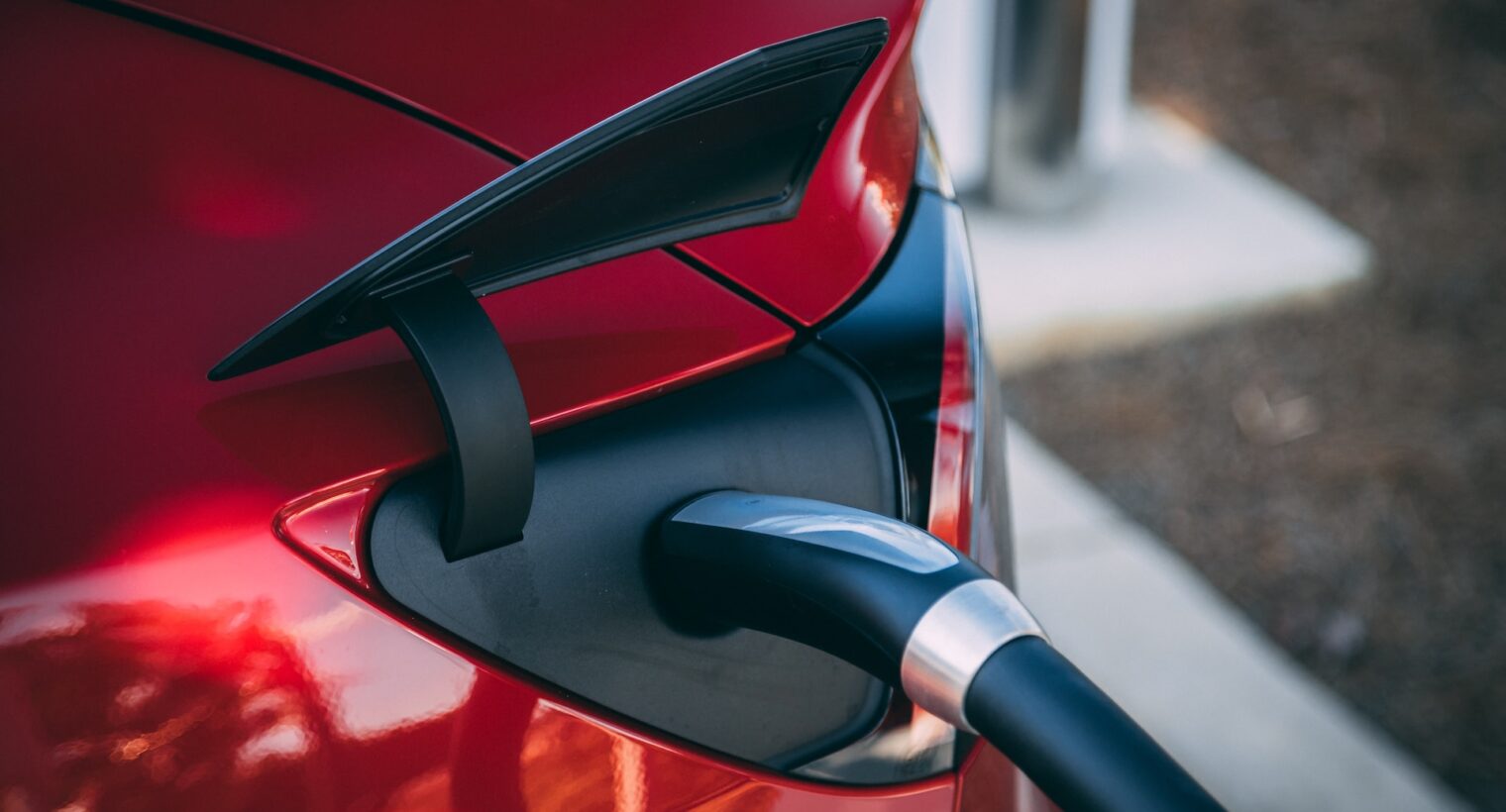
Electric vehicles (EVs) are increasing in popularity as the globe strives for a greener future. With the UK government’s goal to outlaw or limit the sale of new petrol and diesel vehicles by 2030, EVs are becoming more popular than ever before. That said, there are a few things you ought to know before purchasing an EV.
The Types of Electric Vehicles
There are three main types of electric vehicles: battery electric vehicles (BEVs), plug-in hybrid electric vehicles (PHEVs), and hybrid electric vehicles (HEVs). BEVs run entirely on electric power and need to be charged via a charging station or wall box. PHEVs have an electric motor and a petrol or diesel engine, so you can switch between the two power sources. HEVs have an electric motor and a petrol or diesel engine, but the petrol or diesel engine is used to recharge the battery rather than to power the wheels.
Charging Options
There are several options available when it comes to charging your EV. You can charge your EV at home using a standard three-pin plug, but this is the slowest option. A better option is to install a wall box at home, which can charge your vehicle much faster. Public charging stations are also available, and you can find them using apps such as Zap-Map.
Costs and Incentives
The cost of an EV can be higher than a petrol or diesel vehicle, but the savings on fuel and maintenance can make up for it in the long run. There are also incentives available to encourage people to switch to EVs. The government’s plug-in car grant offers up to £2,500 towards the cost of a new EV, while the OLEV Electric Vehicle Homecharge Scheme offers up to £350 towards the cost of installing a home charging station.
Range
One of the biggest concerns people have about EVs is range anxiety – the fear of running out of charge before reaching your destination. However, modern EVs have a much-improved range compared to their earlier counterparts. BEVs typically have a range of between 100 and 300 miles, while PHEVs have a range of between 20 and 40 miles on electric power alone.
Maintenance
Electric vehicles (EVs) have the advantage of requiring less maintenance than their fuel and diesel counterparts. Because of the absence of conventional internal combustion engines, electric vehicles have fewer potential points of failure. Still, it’s important to schedule regular maintenance for your EV to keep it in top shape. The battery is one of the costliest parts to replace in an electric vehicle, so it’s important to make sure your warranty covers it.
Insurance
As more and more electric vehicles enter circulation, the disparity between the costs of insuring them and those of insuring petrol or diesel vehicles is beginning to narrow. The battery and charging cords may be covered under the comprehensive coverage of some insurance policies designed specifically for electric vehicles. Finding the best price is something you should do.
Conclusion
Purchasing an electric vehicle is a significant investment that may benefit both your wallet and the planet. The government’s limitation on the sale of new petrol and diesel vehicles takes effect in 2030; therefore, now is the time to make the transition. It’s important to learn as much as possible about the various electric vehicle possibilities before making a purchase. All the advantages of owning and operating an electric vehicle can be yours with the right information.
If you are looking for a company that specialises in electric car charging points in Belfast, look no further than our services here at Design Electrical. As specialists in the electric vehicle charging market, we can offer you the best solution for your charging needs. Call us today and let us tend to your plans to set up a couple of electric car charging points.