
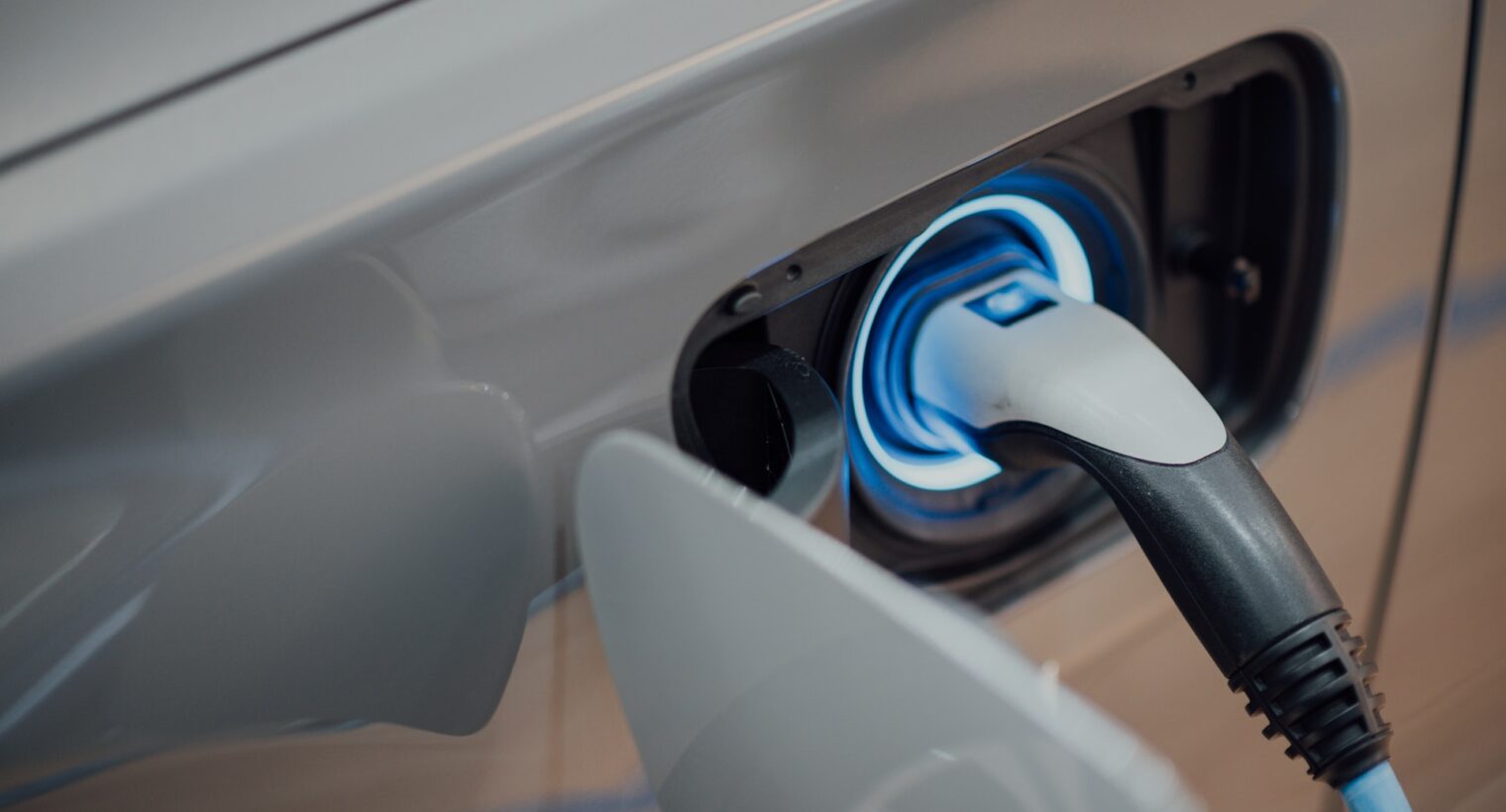
Electric vehicles (EVs) have become increasingly popular as individuals and governments strive to reduce carbon emissions and improve air quality. However, EVs can be expensive to purchase, and some potential buyers may worry about the ongoing costs of ownership. Fortunately, charging your EV at home can help reduce these costs significantly.
Home charging offers several cost-saving benefits, such as lower electricity rates, reduced maintenance costs, avoidance of public charging fees, and tax credits and incentives. In this article, we will explore these benefits and provide insights into how you can save money while enjoying the benefits of EV ownership.
1. Lower Electricity Rates
One of the primary reasons why charging your EV at home is cost-effective is because of lower electricity rates. Many electricity providers offer special rates for EV owners, such as off-peak rates, to encourage them to charge their vehicles at home.
Off-peak rates are typically lower than regular rates and are available during specific times of the day when demand for electricity is low. This means that you can charge your EV overnight when electricity rates are lower, reducing your overall electricity bill.
2. Avoiding Public Charging Fees
Charging your EV at home can also help you avoid public charging fees. Public charging stations charge a fee for the electricity used, which can vary depending on the location and service provider. These fees can quickly add up, especially if you frequently use public charging stations.
By charging your EV at home, you can avoid these fees and save money in the long run.
3. Reduced Maintenance Costs
EVs have fewer moving parts than traditional gas-powered vehicles, which means they require less maintenance. However, public charging stations can put additional strain on your vehicle’s battery and increase the likelihood of damage or wear and tear.
By charging your EV at home, you can reduce the frequency of visits to the mechanic and save money on maintenance costs.
4. Tax Credits and Incentives
Many countries offer tax credits and incentives to encourage EV adoption. These can include reduced taxes or subsidies for the purchase of an EV, as well as incentives for installing home charging stations. By taking advantage of these programs, you can save even more money on the cost of your EV and charging infrastructure.
5. Increased Home Value
Installing a home charging station can also increase the value of your property. EV ownership is on the rise, and many potential homebuyers are looking for properties with charging infrastructure already in place.
By installing a home charging station, you can make your property more attractive to potential buyers and potentially increase its value.
6. Using Renewable Energy Sources
Installing solar panels or wind turbines can significantly reduce or even eliminate your electricity bills, making home charging even more cost-effective. Additionally, using renewable energy sources can further reduce your carbon footprint, making it a win-win situation for your wallet and the environment.
Conclusion
Owning an electric vehicle can be a cost-effective and environmentally friendly option for those looking to reduce their carbon footprint and save money. Charging your EV at home can result in significant cost savings due to lower electricity rates, reduced maintenance costs, and the ability to avoid public charging fees.
Additionally, tax credits and incentives can reduce the overall cost of EV ownership, while installing a home charging station can increase your property value and maximize the use of renewable resources. Overall, home charging of electric vehicles is a practical and cost-saving option for those looking to switch to an EV.
If you’re planning to switch to an electric vehicle, installing an EV charging point at home is a crucial step towards a more sustainable future. At Design Electrical, we offer a professional and reliable solution for your charging needs. Contact us today to get started on your journey towards a greener future!