
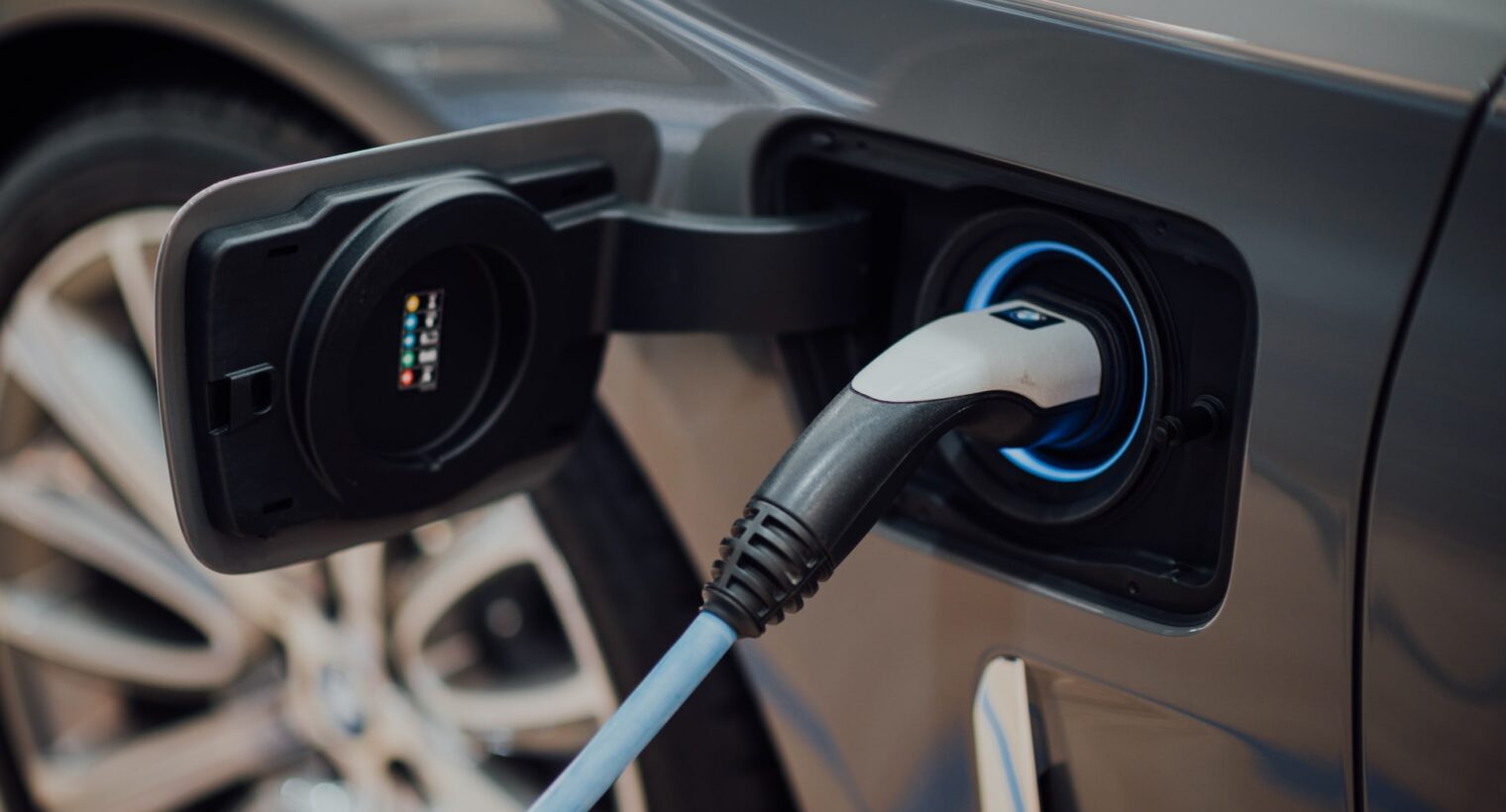
With the rise of the modern electric vehicle (EV), we are seeing more of the beauty of renewable energy sources. Along with that, a variety of EV chargers are now also available. The challenge, however, doesn’t simply end with choosing an electric vehicle. You must also be able to choose the best EV charger for your model.
Read on to learn from this ultimate EV charger handbook today.
Understanding the Types of EV Chargers
Today EVs are charged with a wall-mounted metal device known as a charging station and can be charged with corded charges or wireless chargers. Corded chargers connect to your vehicle’s electrical outlet. Meanwhile, wireless chargers are more modern and expensive and use radio waves to transmit power.
Here are the different types of EV chargers today:
1. Level 1
Typical EV charger Electric vehicle chargers utilise the same 120-volt alternating current (AC) power as normal wall outlets. Some level 1 chargers provide 10 amps of charging power and 18 hours of charging time.
2. Level 2
The vast majority of electric vehicle chargers are level 2. Level 2 charging stations can be found in homes, businesses, and public places. They can be hardwired or just plugged in. Level 2 chargers use 240 volts and charge at a rate of 20 miles per hour. This charger, like Level 1 chargers, operates on alternating current.
3. DC Fast Charging
EVs are charged quickly with DC fast charging. It is the most expensive charger available on the market. DC fast chargers may be useful for those who have long commutes or difficult activities. This charger is required for long-distance travel as well as large fleets. Direct current fast chargers can charge electric vehicles to 80% in 20 minutes.
Making the Comparison: Level 1 vs. Level 2 vs. DC
Level 1 chargers provide only a minor boost and are typically used in household settings. Level 2 chargers completely recharge automobiles. A car may be charged to 80% capacity in thirty minutes using DC Fast Chargers. EV Install only offers the highest quality vehicle chargers for home and business installation.
If you possess a plug-in hybrid or an electric vehicle, install a Level 2 charger. Without the installation of a charger, Level 1 chargers can be used to charge the battery of a plug-in hybrid. EVs necessitate the use of DC Quick Chargers. To ensure that you have enough electricity, our staff evaluates and advises you on power management.
Choosing the Right Vehicle Charger For You
Before anything, you must check the type of connector your EV possesses. EV connectors today are classified into three types: the CHAdeMO, the CCS (combined charging system, and the Tesla-specific connectors.
If your EV comes with any of these built-in connectors, you won’t have a difficult time finding a public charging station for your vehicle’s connector. Before purchasing an electric vehicle charger, consider the type of connector as well as the brand and model of your vehicle. Because each of the three basic connector types is compatible with their respective vehicles, there is no “wrong” option when it comes to choosing an EV charger.
Conclusion
As you adapt to modern technology, consider how an electric vehicle could benefit your lifestyle and the environment. Once you make such an investment, make sure that you also take care of your new EV and use the right tools for it, such as the right EV charger. Now that you’re more familiar with the EV chargers that exist today, it will be easier for you to supply energy for your new car.
Are you interested to learn the requirements for EV charger installation? Design Electrical is a team of highly-esteemed specialists that can provide you with excellent electrical services. Contact us today to learn more about our services!