
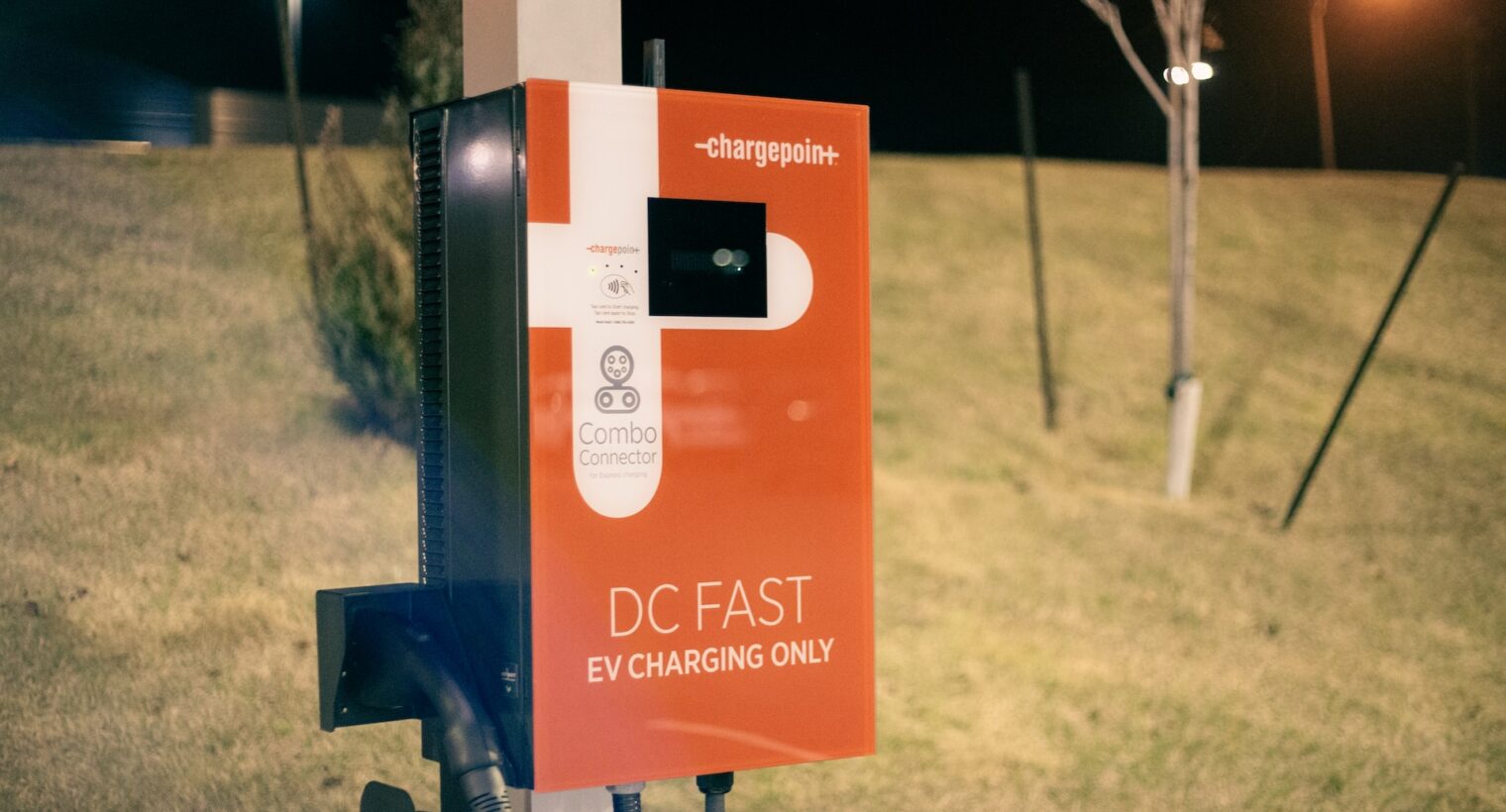
Electric vehicles (EVs) are becoming increasingly popular in the UK due to their eco-friendliness and low operating costs. However, you need a charging point to charge an EV, and installing an EV charger can be complicated. This article will discuss the steps involved in the EV charger installation process in Belfast.
Step 1: Site Survey
The first step in the EV charger installation process is a site survey. The installer will visit your property to assess the suitability of your location for an EV charger installation. During the survey, the installer will check the electrical supply to ensure it can support the installation. They will also consider factors such as the location of your electrical consumer unit and the distance between the charging point and your vehicle. Based on the survey results, the installer will recommend the best type of EV charger for your property.
Step 2: Design and Quotation
After completing the site survey, the installer will create a design and quotation for your EV charger installation. The design will include the location of the charging point, the route for the cables, and any other necessary equipment. The quotation will include the installation cost, including labour, materials, and any additional fees, such as parking permits. Once you have reviewed and agreed to the design and quotation, you can proceed with the installation.
Step 3: Installation
The installation process involves several steps, including mounting the charging point on the wall, running cables from the consumer unit to the charging point, and connecting the charging point to the electrical supply. The installer will also test the charging point to ensure it is working correctly and provide you with a demonstration of how to use it. The installation process can take several hours to complete, depending on the complexity of the installation.
Step 4: Certification and Compliance
After the installation is complete, your installer will provide you with a certificate of compliance. This certificate confirms that the installation has met the required standards and regulations. The installer will also register the installation with the appropriate authorities, such as the Office of Zero Emission Vehicles (OZEV). This registration is necessary to claim the government grant for EV charger installations, which can cover up to 75% of the installation cost.
Step 5: Ongoing Maintenance and Support
Your EV charger installer should provide ongoing maintenance and support for your charging point. This includes regular inspections and testing to ensure the charging point works correctly. If you experience any issues with your charging point, your installer should be available to provide support and resolve the issue promptly. The installer should also ensure that any necessary upgrades or modifications are made to the charging point as required.
Conclusion
Installing an EV charger can be a complicated process. Still, by following the steps outlined above, you can ensure that your installation is carried out to the highest standards and provides reliable and efficient charging for your electric vehicle. By choosing a reputable and experienced installer, you can also benefit from ongoing maintenance and support for your charging point, ensuring that it works correctly and meets your needs. With the UK government’s commitment to reducing carbon emissions, the demand for EV chargers will likely continue to grow, making now the perfect time to invest in an EV charging point for your home or business.
Trust only the experts when it comes to EV installation. Design Electrical is the best in Belfast to help you install your EV charger. We have years of experience installing EV chargers, solar panels, and other electrical devices. Our team is also fully certified and insured.