
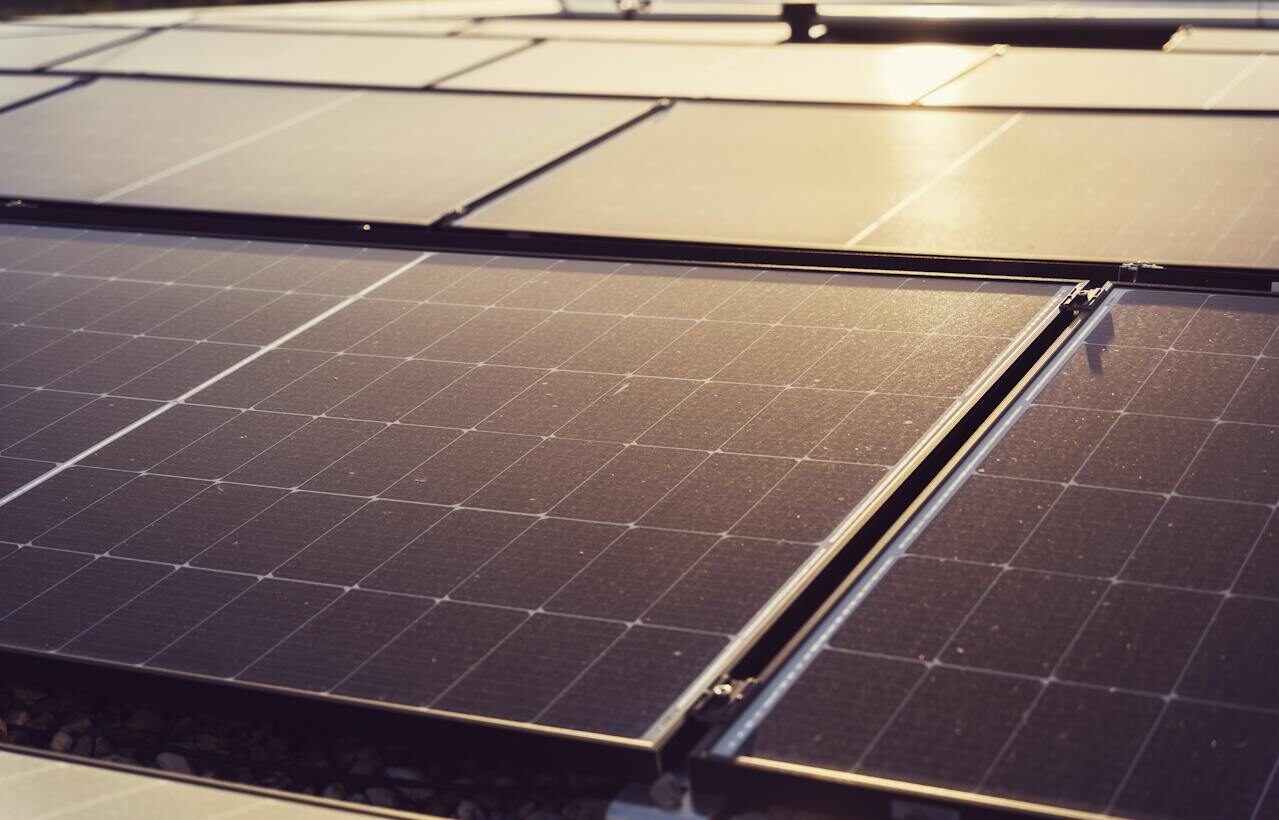
As society evolves towards more sustainable living, embracing clean energy and eco-friendly transportation have become vital aspects of this transition. Solar photovoltaic (PV) installations and electric vehicle (EV) charging infrastructure are two key solutions that can be integrated to maximise energy efficiency, create cost savings, and contribute to a greener Belfast and Northern Ireland. Combining solar energy production with EV adoption can result in a greener, more resilient energy management system for domestic, commercial, and industrial applications.
In this blog post, we will delve into the synergies between solar PV installations and EV charging infrastructure. We will provide informative and engaging content showcasing how Belfast and Northern Ireland residents can benefit from integrating these two innovative technologies. This blog post covers energy management considerations, equipment selection and installation, financial incentives, and case studies.
This article will guide residents in Belfast and Northern Ireland on their journey to implementing effective energy management solutions, focusing on the benefits of integrating solar PV installations with EV charging infrastructure. Collaborating with industry professionals like Design Electrical, we will share valuable insights, expert perspectives, and practical guidance to help you make informed decisions on the sustainable energy solutions available for your home or business.
The Convergence of Solar PV and EV Charging: Enhancing Energy Management and Sustainability
Integrating solar PV installations with EV charging infrastructure offers homeowners a comprehensive and sustainable energy management system. Such synergistic solutions enable harnessing renewable energy to power both your home and electric vehicle while also reducing dependency on grid-supplied electricity for your transportation needs. In this section, we will explore the benefits of combining solar PV and EV charging infrastructure in terms of energy efficiency, cost savings, and environmental impact.
Optimising Solar PV Systems for EV Charging: Technical Considerations and Equipment Selection
It is important to consider certain technical aspects and equipment requirements to ensure the successful integration of solar PV installations and EV charging solutions. Here are some factors to bear in mind:
- Solar PV system size: Assess your home’s energy needs and EV charging requirements to determine the appropriate size for your solar PV installation. This will ensure that your solar panels produce sufficient energy to power both your home and vehicle.
- Energy storage: Installing a home battery storage system along with your solar PV installation can allow you to store excess solar energy during daylight hours and use it for EV charging during non-peak sunlight, optimising energy usage.
- Charging equipment: Choose an EV charging station compatible with your vehicle and solar PV system and ensure it has suitable charging speeds for your needs. A professional EV installation company like Design Electrical can guide you in selecting the appropriate charger.
- Installation requirements: Consult with solar PV and EV charging specialists to ensure that all installation requirements are met, including proper wiring, safety standards, and any regulatory compliance.
Financial Incentives and Support Programs for Solar PV Installations and EV Charging Infrastructure
Governments and local authorities often provide financial incentives to encourage the adoption of sustainable energy solutions. Belfast and Northern Ireland residents can benefit from such programmes to offset the costs of installing solar PV systems and EV charging stations. Some key incentives to explore include:
- Grant schemes for solar PV installations: Investigate if any financial grant schemes are available in your region, offering partial or full coverage of solar PV installation costs.
- Feed-in tariffs: Some areas provide tariffs for feeding excess solar energy back into the grid, enabling homeowners to earn income from their solar PV system.
- Electric vehicle purchase incentives: Check if government programmes offer discounts or incentives for electric vehicles, making EV adoption more affordable.
- EV charging station installation support: Research if any funding or support is available for installing residential or commercial EV charging stations, encouraging more extensive charging infrastructure.
Real-Life Examples: Innovative Solar PV and EV Installations in Belfast and Northern Ireland
Several homes and commercial establishments have successfully implemented integrated solar PV and EV charging solutions in Belfast and Northern Ireland, showcasing the effectiveness and benefits of combining these technologies. These real-life examples provide valuable insights and inspiration to those considering the adoption of solar PV systems and EV charging infrastructure.
- Residential case study: A family in Belfast achieves energy self-sufficiency and substantial cost savings by installing a solar PV system on their rooftop, a battery storage solution and a home EV charging station. The system powers their home and electric vehicles, reducing their reliance on grid electricity and lowering their carbon footprint.
- Commercial case study: A company in Northern Ireland, embracing sustainable practices, installs solar PV panels and several EV chargers for their employees’ usage. This initiative contributes to reducing greenhouse gas emissions while increasing employee satisfaction and environmental awareness.
Conclusion
Embracing the synergy of solar PV installations and EV charging infrastructure offers a comprehensive and sustainable solution for energy management in Belfast and Northern Ireland. By exploring the benefits of combining these innovative technologies, learning about technical considerations and equipment selection, investigating financial incentives, and reviewing real-life installation examples, homeowners and businesses can confidently embark on their journey to create a more sustainable and eco-friendly lifestyle.
By engaging in well-informed discussion and collaboration with industry experts like Design Electrical, we can support Belfast and Northern Ireland residents in embracing sustainable energy management and contributing to a greener, more sustainable future.